


Red Lodge Clay Center – Short-Term Resident (AIA) 2009
Von Venhuizen received his M.F.A. from Indiana University, Bloomington, in 1996. He currently serves as Associate Professor of Ceramics and is a former Associate Director of the Texas Tech University School of Art. He played a significant role in the design and construction of the new Ceramics Facility in the TTU 3D Art Annex.
Nationally and internationally recognized, Venhuizen’s work contributes meaningfully to the evolving field of contemporary ceramics. He has developed a distinguished reputation in kiln design and construction, architectural ceramics, ceramic production design, RAM-press techniques, slip casting, mold making, and wheel throwing. His artwork has been featured in hundreds of juried, invitational, and solo exhibitions across the United States and abroad. His pieces are held in numerous private, university, and museum collections and have been published in a variety of books and periodicals.
In addition to his professional accomplishments, Venhuizen is known by his students for his memorable stories about ceramics, his enthusiasm for cars and motorcycles, his humorous pursuit of the elusive Chupacabra, and his uncanny reputation as an “armadillo whisperer.”
An observer, this is how I see myself. I have always had a fascination for trying
to understand how and why things are made the way they are, and what is their purpose
or function.
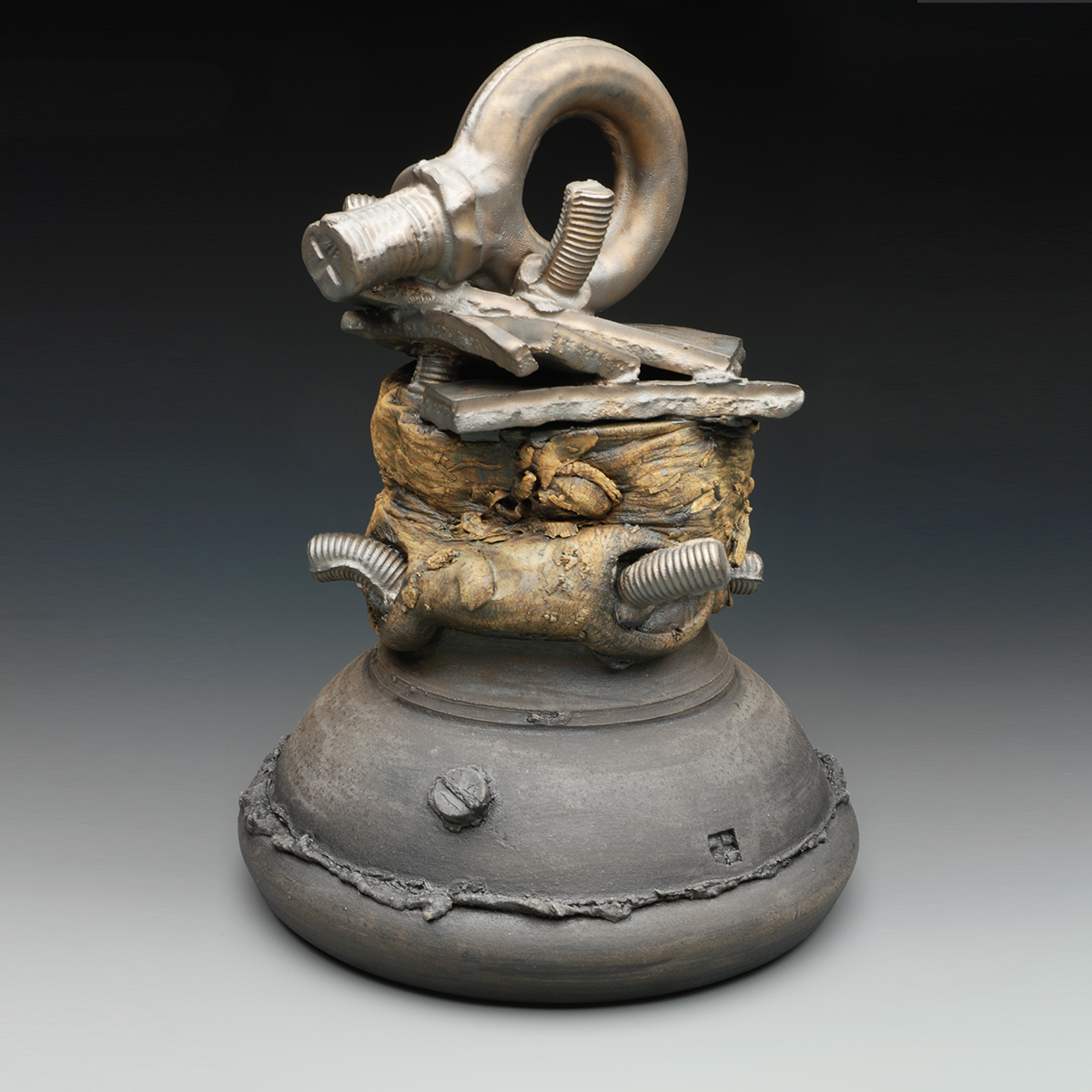
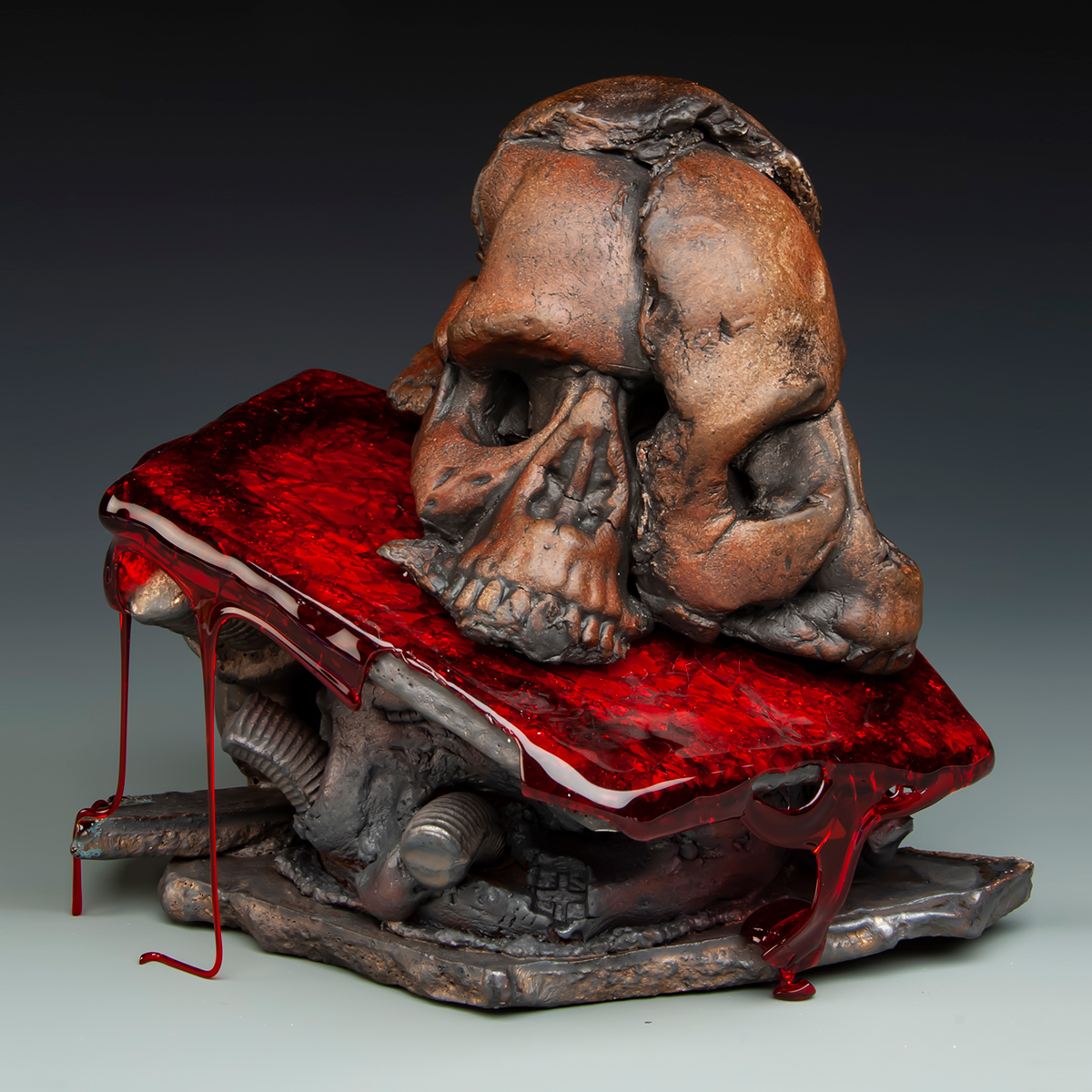
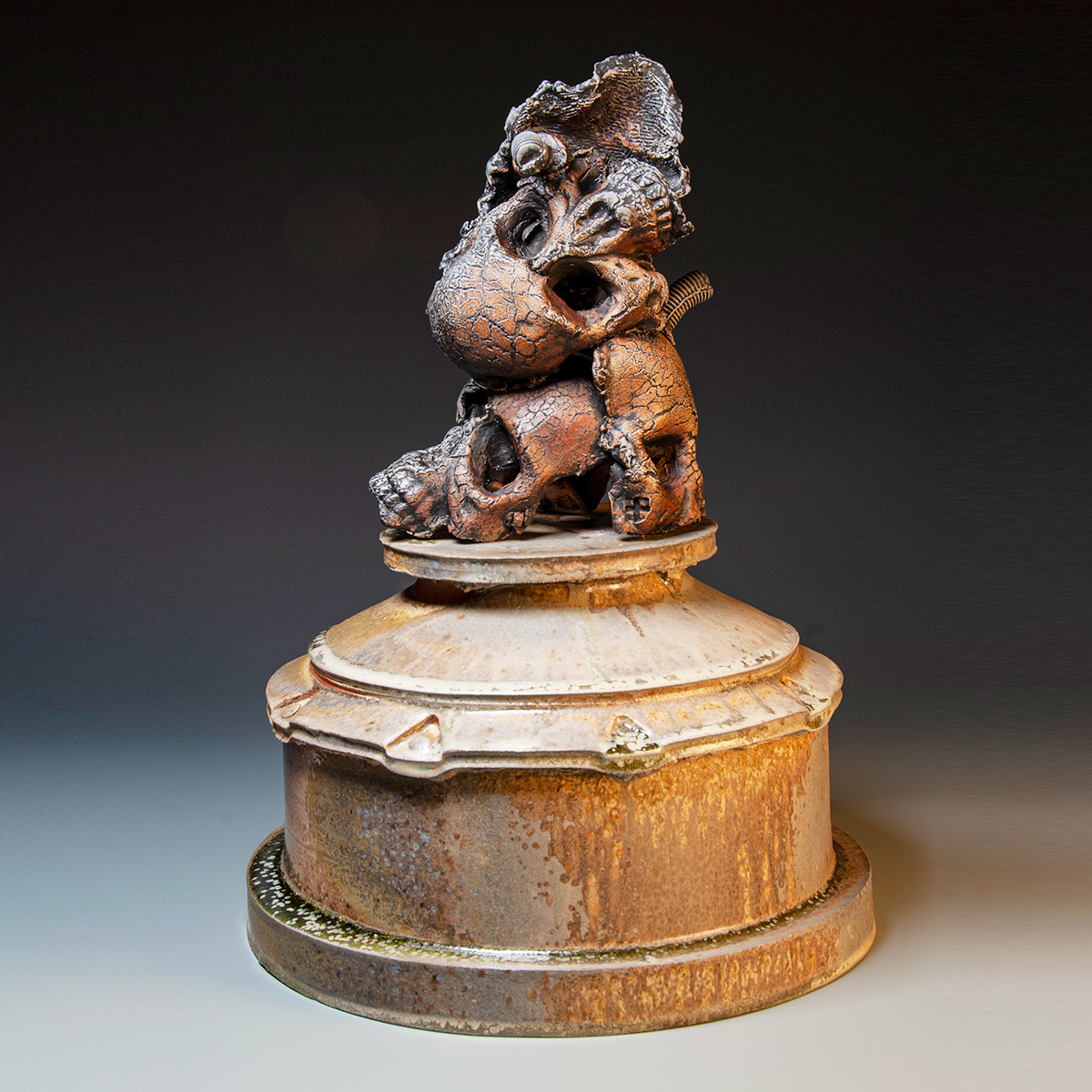
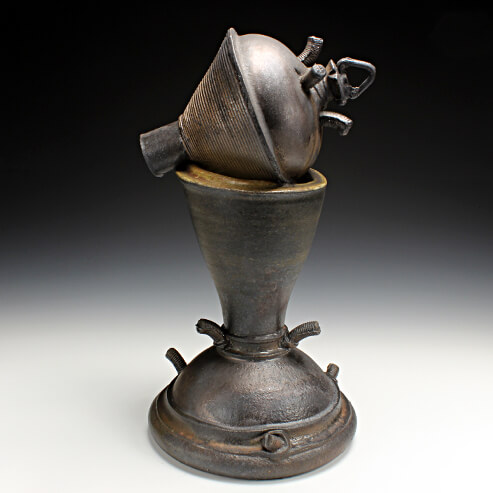
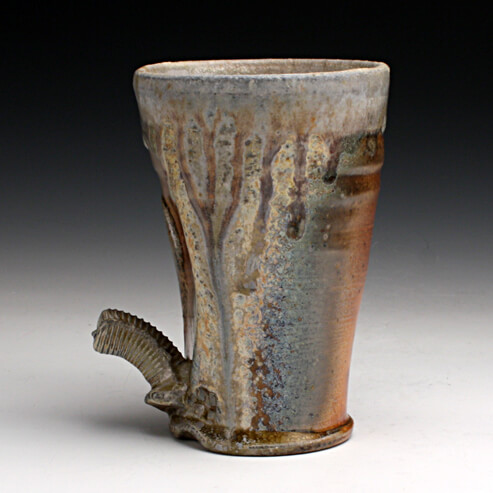
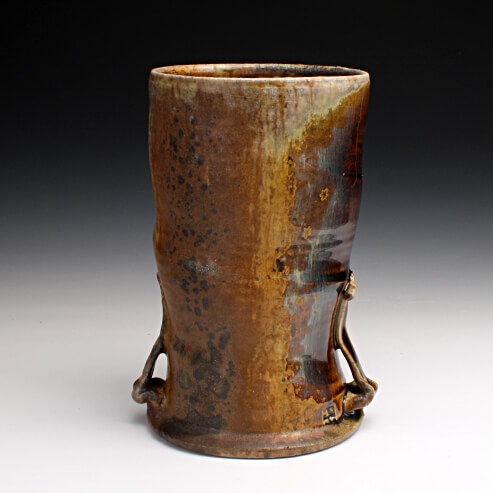
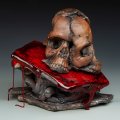
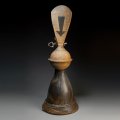
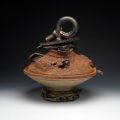
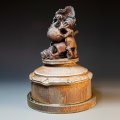
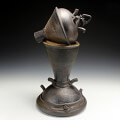
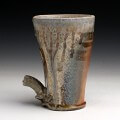
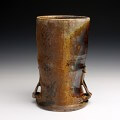
I have an immense interest in industry. My work references some of the industrial items that I find inspiring. My pieces do not have a specific function or purpose, but they ask the viewer to question what the pieces may be. Pieces have been woodfired and left very dark in color and appearance, alluding to the build-up of a dirty industrial environment. Other pieces made of porcelain get coated in roofing tar and tung oil. By taking the “preciousness” of the material and coating it in tar, I give the piece it’s own history.
Up until 3 1/2 years ago, wheel thrown stoneware and slip-cast porcelain composed most of my work, both in individual pieces and installations. I have determined I am interested in the “cog” that makes the machine work. It goes to something I teach all my students – “Life is in the details.” Within my research I tend to occupy my time with the box or packaging that something comes in – things that many people discard and give no attention, rather than the “prize in the box.” I then make molds and take the assorted pieces and assemble ceramic vessels and objects that have an industrial reference. Many surfaces are applied after the firing. Things such as roofing tar, liquid spray caulk, and tung oil create surfaces that visually relate to the passage of time and its effects on objects. Some of these surfaces will relate closer to the beginning of the object’s life. Others will relate to the objects nearing the end of their expected usefulness.
Due to a nerve injury during a blood test in 2006, I was unable to throw on the wheel for almost 4 years. Since having surgery in 2009, I am now back to throwing but have found many new ways to create the work I must make. Having everything you know taken from you on how to create Art is terrifying, but it lead to an opportunity to learn to create in new ways and this inevitably found it’s way into the classroom.
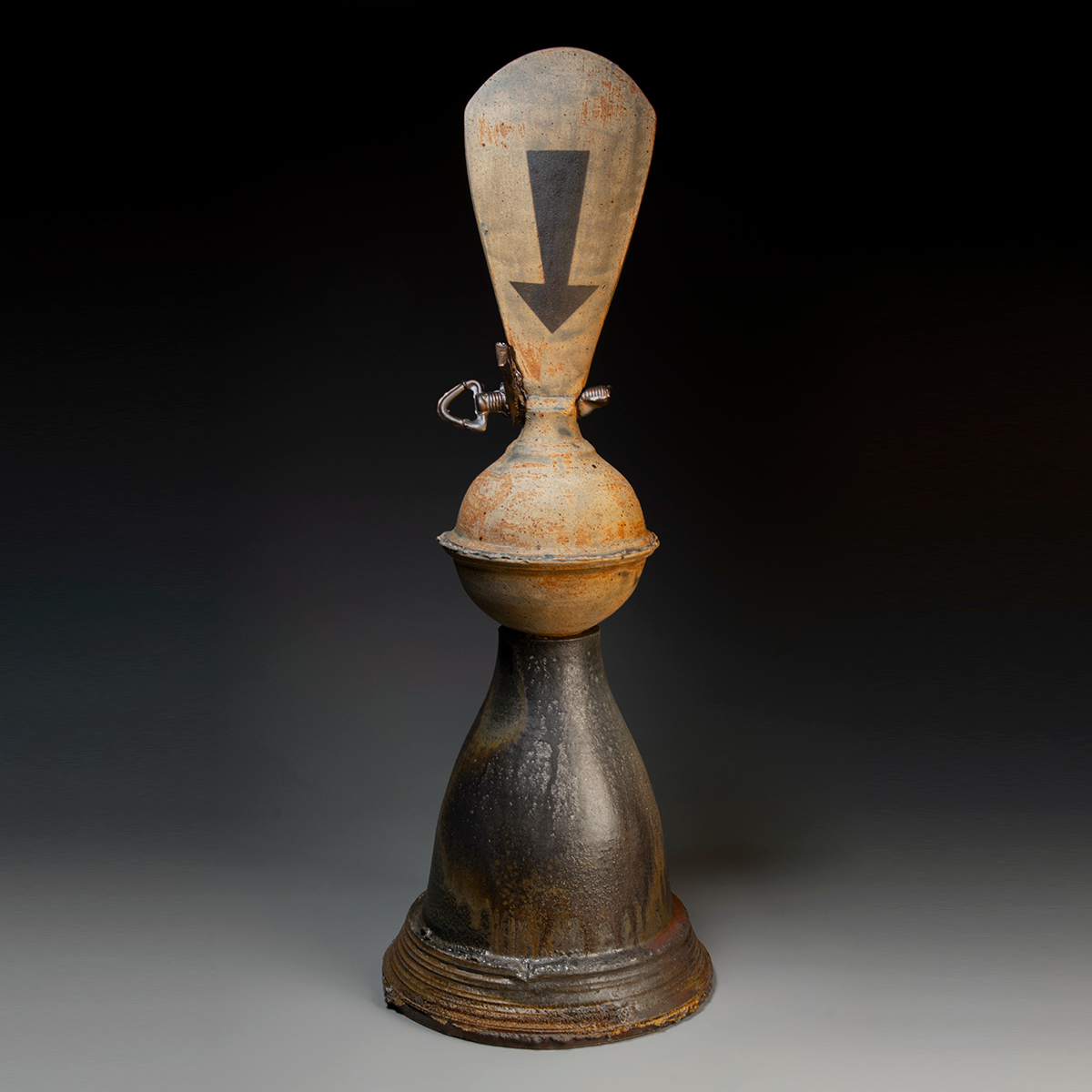
Students were able to see that even with a limited capacity, I was still able to do whatever I put my mind to! My new work consists of taking the industrial items I find so appealing, and meshing it with a childish flavor. Colors, texture, and patterns will begin to reference a child’s toy or “signage” for the universal person. The pieces are to be toy-like in nature but the subject matter is to have a more industrial form. My work asks the questions, “what could it be used for, or simply, what could it be?”
Various industrial items suggest new forms and ideas, which I use to create my own pieces. Clay then allows me to create my objects in any form. With the richness and plasticity of clay, I can manipulate the object itself, or the surface in a way that is similar to many items I have observed or feel need to be observed. With the meshing of these ideas, and the “cog,” I can continue to create an ongoing interface between mystery and familiarity.